How Ceremony Time Affects Your Wedding Photos in Austin
One of the biggest decisions couples make when planning their wedding day is choosing their ceremony time, and most couples don’t realize how much that one decision impacts their wedding photos.
Lighting affects everything. It impacts skin tones, background color, shadows, mood, and how relaxed your timeline feels throughout the day. In Austin, where sunsets shift dramatically depending on the season, ceremony timing plays a huge role in the overall flow of your wedding photography.
If you want bright family photos, flattering wedding party portraits, and those golden, wall-hanger bride and groom images, your ceremony time matters more than most couples expect.
Why Ceremony Time Is So Important for Wedding Photography
Most wedding photography timelines follow a natural flow:
Ceremony → Family Photos → Wedding Party → Couple Portraits → Reception
If your ceremony starts too late, the rest of the day gets compressed. Family photos can end up in dim lighting, wedding party photos can feel rushed, and couple portraits may happen after sunset when lighting is limited.
When couples build their timeline around natural light, everything feels smoother, calmer, and more natural.
In Austin weddings, I typically recommend planning your ceremony about 1.5–2 hours before sunset. This gives enough daylight for formal photos and leaves space for golden hour portraits, which are usually some of the most loved images from the entire wedding day.
👉 For a full month-by-month guide, visit our Austin ceremony timing planner:
https://www.photos-by-mkay.com/best-wedding-ceremony-times-in-austin-texas-by-month
Austin Ceremony Time Planner (By Month)
Select your wedding month to get a photographer-friendly ceremony start window based on 1.5–2 hours before sunset (Austin mid-month baseline).
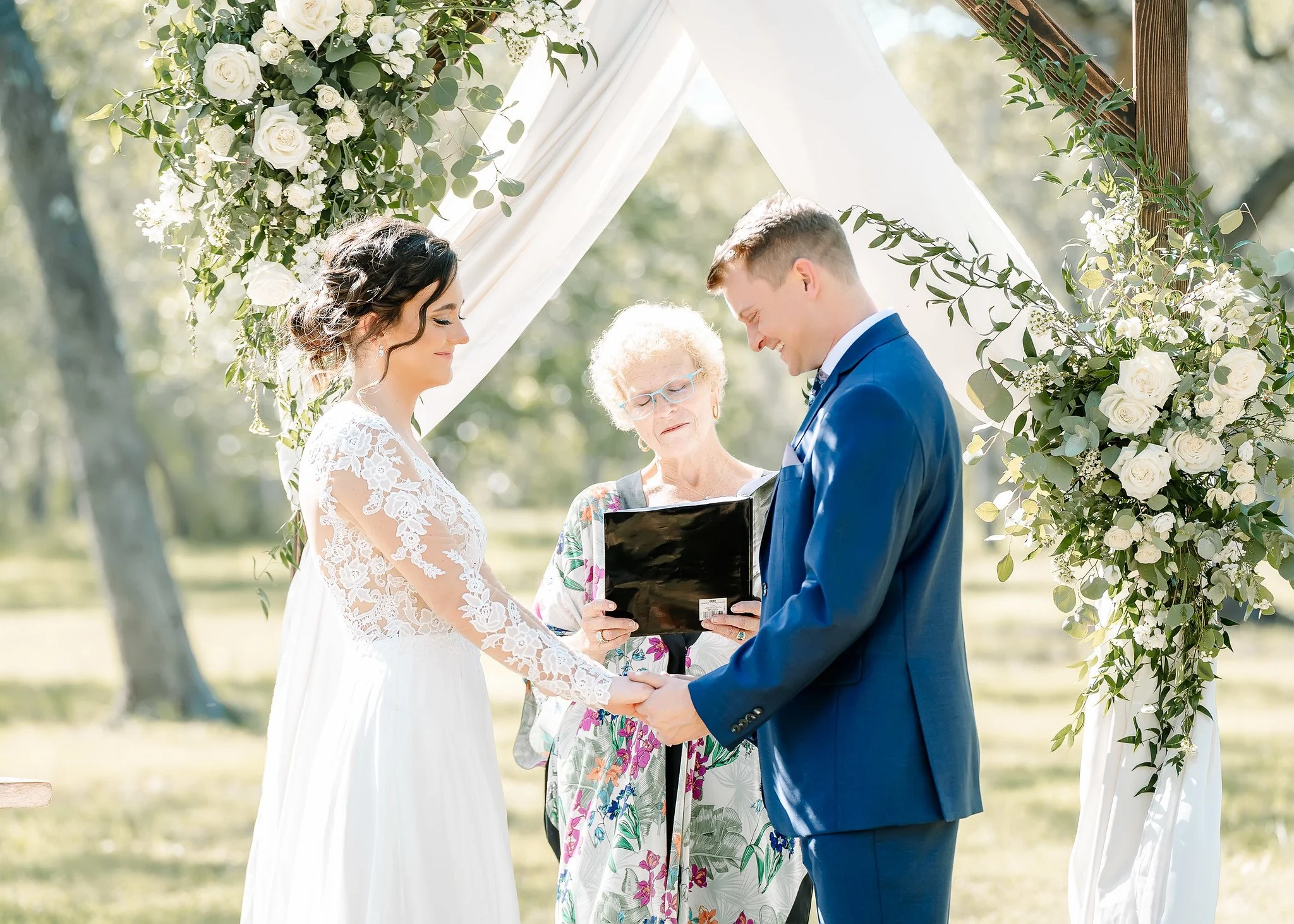
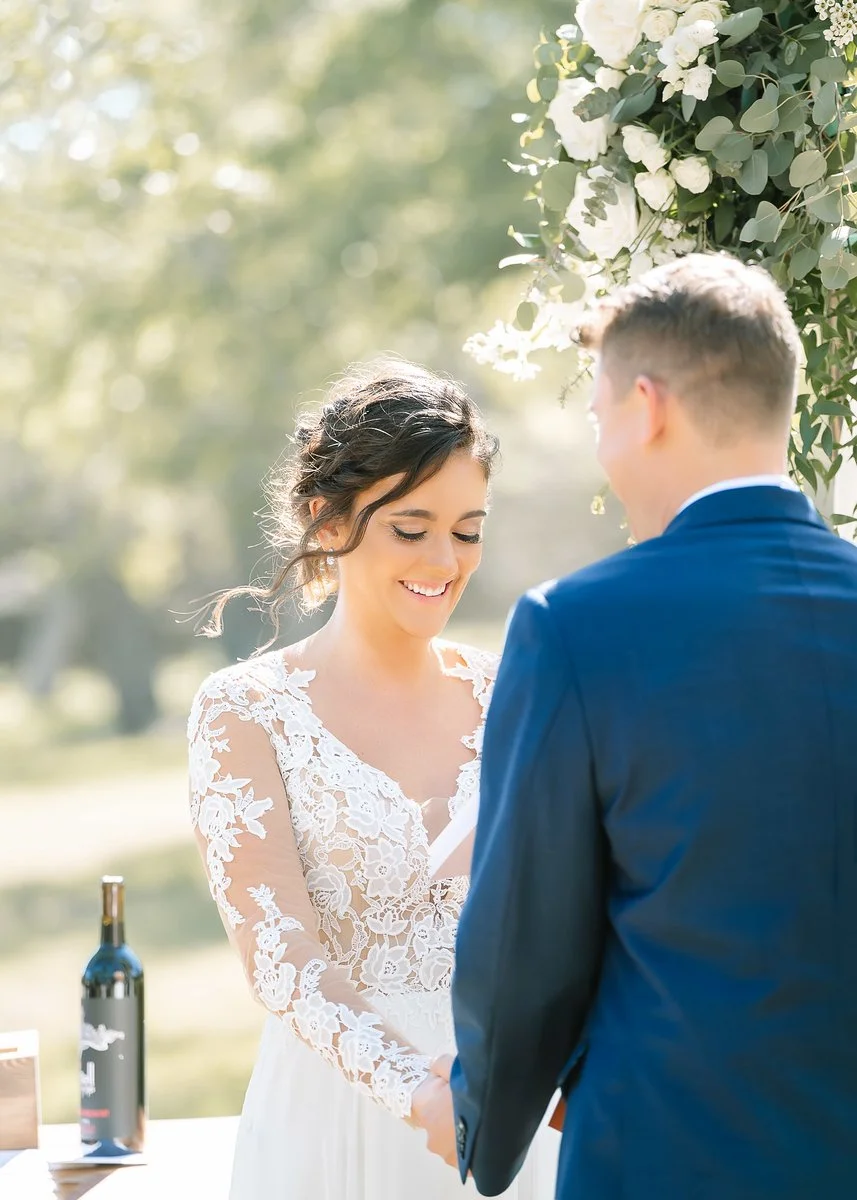
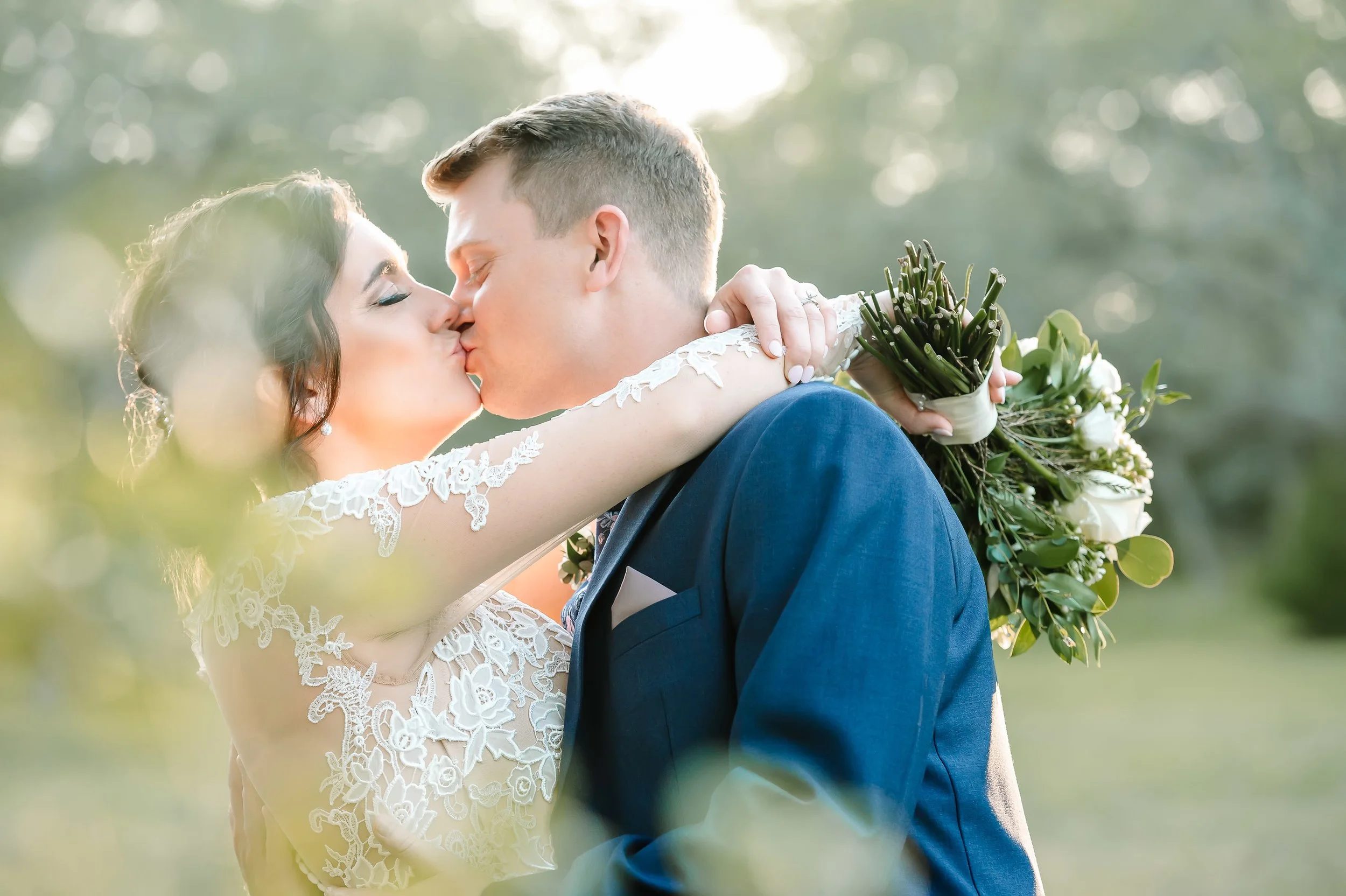
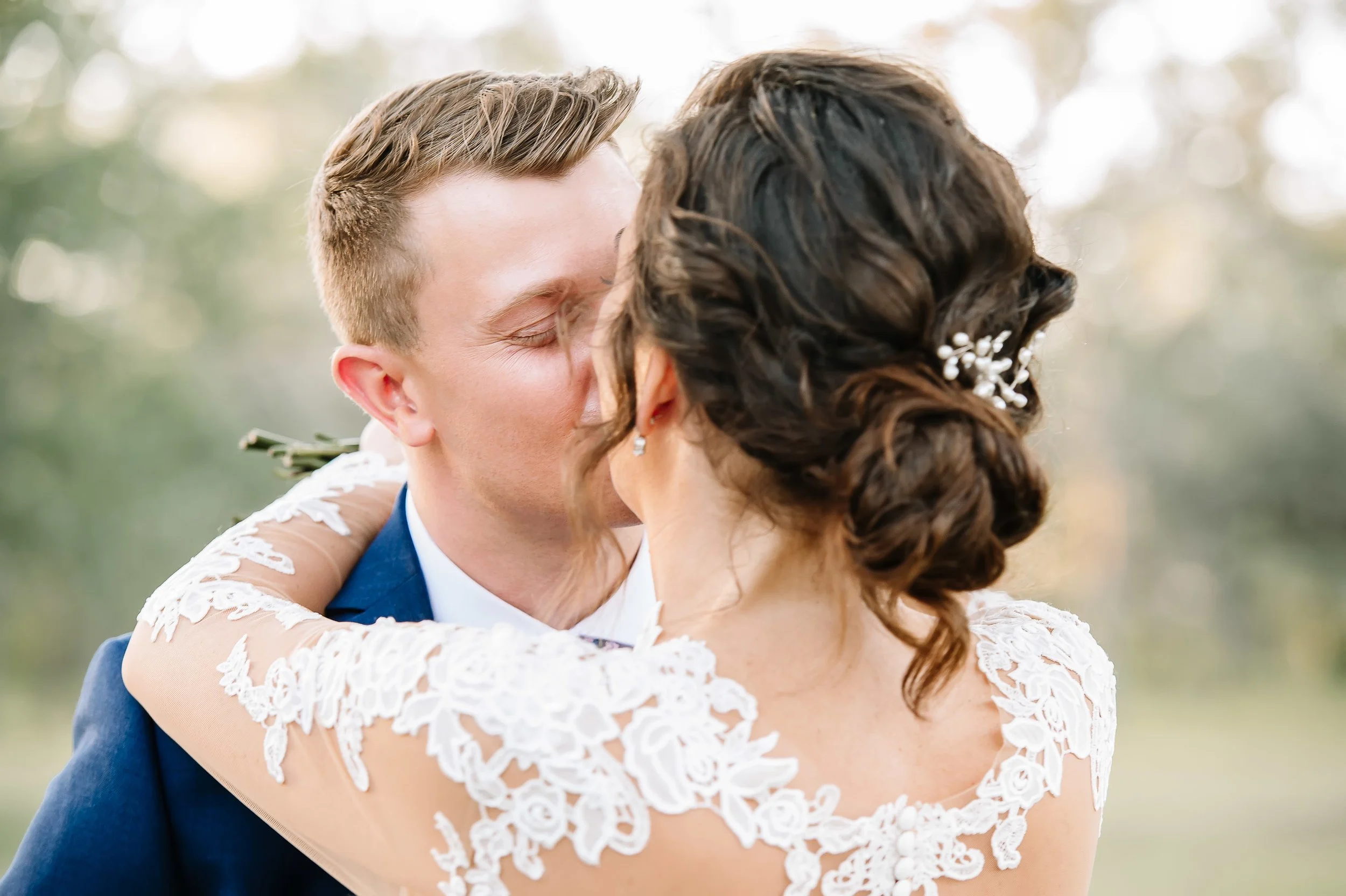
How Lighting Changes Throughout the Wedding Day
Midday Light
Bright but harsh. Creates stronger shadows and more contrast. It can still be beautiful, but requires more intentional posing and location choices.
Afternoon Light
Softens slightly and becomes more flattering for family and wedding party photos.
Golden Hour
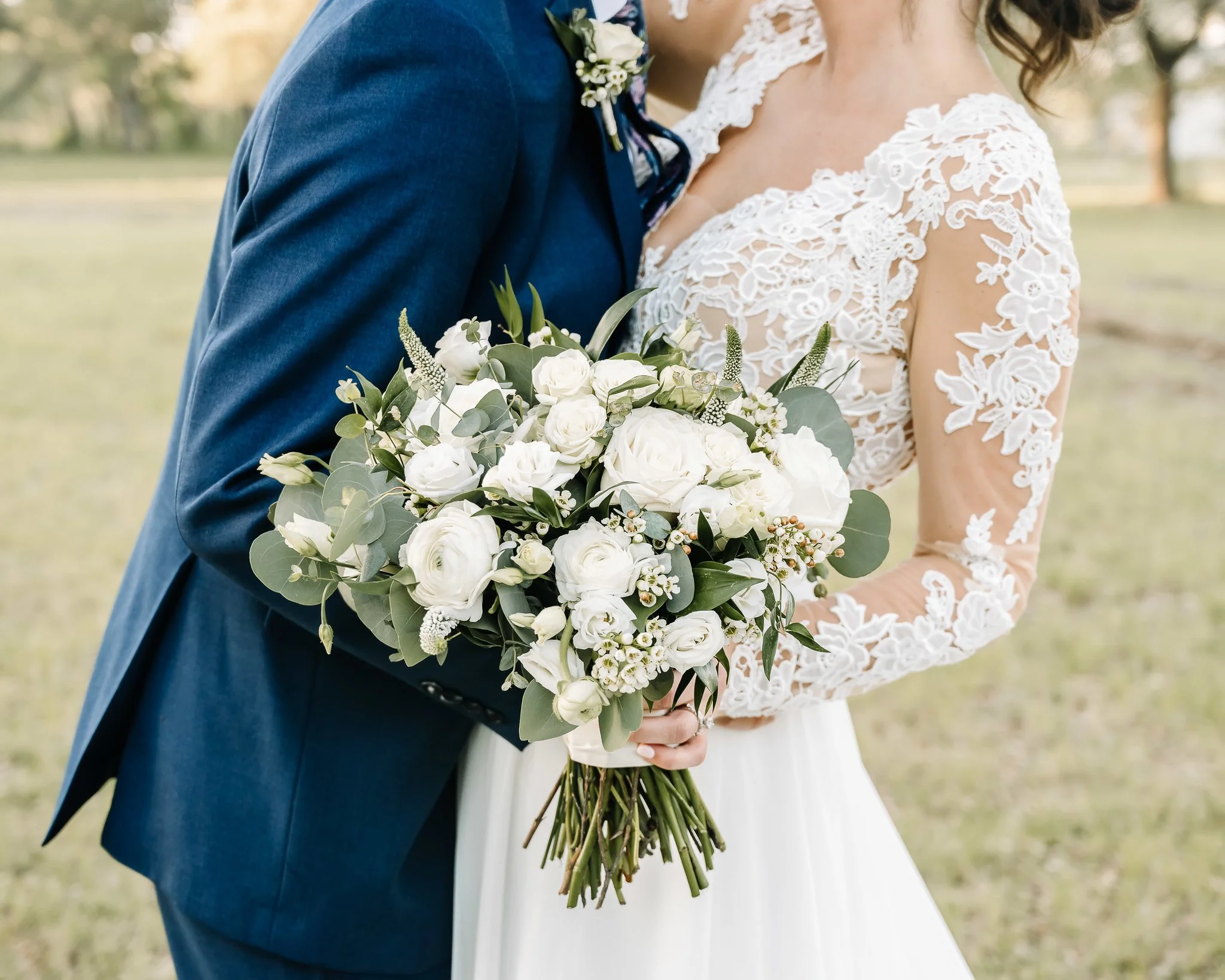
The most sought-after lighting of the day. Warm, soft, glowing light that creates romantic, timeless portraits. These are often the photos couples choose to print and hang in their homes.
After Sunset
Still beautiful, but requires artificial lighting and changes the style and mood of photos.
Sample Timeline: 8-Hour Wedding Day in the Spring
Here’s an example of how an 8-hour day can flow smoothly:
2:00 PM – Photographer arrives
2:00–2:30 – Detail photos (dress, rings, flat lay, florals, venue)
2:30–3:00 – Hair & makeup finishing touches / Groom & groomsmen getting dressed
3:00–3:30 – Groomsmen photos
3:30–4:00 – Robe photos & getting into the dress
4:00–4:30 – Bridal party + bridal portraits
4:30–5:00 – First look & full wedding party OR first touch & private vows
5:00–5:30 – Hide bride + ceremony/reception detail photos
5:30–6:00 – Ceremony
6:00–6:30 – Family photos
6:30–6:50 – Couple portraits
6:50 – Bustle dress
7:00 – Reception entrance & first dances
8:00 – Cake cutting & toasts
9:50 – Line up for formal exit or private last dance
10:00 – Formal exit
This timeline allows space for genuine moments without feeling rushed, while still capturing golden hour beautifully.
Timeline Flexibility & Extended Coverage
If your formal exit is later in the evening, you want more breathing room built into your day, or you’re planning additional first looks with bridal party members or family, a 10-hour wedding photography timeline may be more beneficial.
Extended coverage can also help if your wedding includes multiple locations, travel time between venues, or if you want to slow down the pace and allow more time to fully experience each part of your day without feeling rushed.
Many couples find that adding additional coverage allows for more relaxed getting-ready moments, extra portrait opportunities, and flexibility if the timeline shifts naturally throughout the day.
Texas Light & Sunset Timing
Texas sunsets change dramatically throughout the year.
Spring & Summer Weddings
Later sunsets mean longer portrait windows and more flexibility with timelines.
Fall & Winter Weddings
Earlier sunsets create tighter timelines and require earlier ceremony start times to maintain natural lighting for portraits.
This is one of the biggest reasons I often recommend 8–10 hours of wedding photography coverage for Texas weddings. More coverage gives:
• Better lighting opportunities
• Less timeline stress
• More creative portrait options
• Extra buffer time for real, candid moments
How to Choose the Right Ceremony Time for Your Wedding
The best ceremony time depends on several factors:
• Season and sunset time
• Whether you plan a first look
• Ceremony length
• Travel time between locations
• Reception timeline priorities
Most couples are surprised by how much flexibility they gain simply by adjusting their ceremony start time slightly earlier.
If you’re planning your Austin wedding, using sunset timing as your starting point is one of the easiest ways to protect your photo lighting and timeline flow.
👉 View more info on setting your ceremony time for your day here:
https://www.photos-by-mkay.com/best-wedding-ceremony-times-in-austin-texas-by-month
My Honest Recommendation
For most weddings, I recommend 8–10 hours of coverage. It allows your day to unfold naturally, keeps the timeline relaxed, and ensures nothing meaningful is missed.
Every wedding is different though, and your coverage should match your priorities, timeline, and overall wedding vision.
If you’re unsure what coverage fits your day best, I’m always happy to walk through your timeline and help you plan something that feels comfortable and realistic.
Planning Your Austin Wedding Photography Coverage
If you’re currently planning your wedding and want help building a timeline that protects lighting, reduces stress, and captures the moments that matter most, I’d love to help.
